
Views: 0 Author: Site Editor Publish Time: 2026-09-22 Origin: Site


Packaging consumables represent a hidden, compounding cost center in high-volume distribution environments. Facility managers face a daily operational tension. You must minimize material usage to drive down costs while maximizing load containment force to prevent in-transit damage. Standard, non-optimized wrapping processes fail to balance these demands. Relying on outdated manual techniques or poorly calibrated machinery causes wasted resin, unpredictable costs per load, and frequent load failures during shipping. Implementing pre stretch film technology serves as the mechanical intervention that resolves this tension. It fundamentally changes how packaging materials secure heavy pallets. By mechanically elongating the polymer before it touches the load, operations shift focus away from simple price-per-roll metrics. You gain verifiable control over cost-per-load and overall operational efficiency.
Cost-per-Load Dominance: Pre-stretching film mechanically alters the polymer structure, increasing material yield by up to 200-300%, which drastically reduces the actual cost-per-load compared to manual or post-stretch methods.
Enhanced Load Integrity: Stretching the film past its elastic yield point activates its "memory," causing it to contract tightly around the pallet, significantly improving load containment force.
Equipment-Film Synergy: Achieving optimal stretch film elongation requires a precise match between the machine stretch film carriage gears and the specific resin blend of the film.
Sustainability Impact: Utilizing high-performance films with advanced pre-stretch capabilities inherently reduces plastic consumption and waste per pallet shipped, aiding in ESG compliance.
Understanding the mechanical difference between pre-stretch and post-stretch applications dictates warehouse optimization. Pre-stretch occurs entirely within the automated carriage of the wrapping machine. The film travels between two motorized rollers rotating at different speeds. The secondary roller spins much faster than the primary roller. This speed differential pulls the film, elongating it before it ever reaches the pallet. Post-stretch, or primary stretch, relies entirely on the tension created between the load itself and the carriage. Post-stretch methods force the pallet to pull the film off the roll. This creates inconsistent application, wastes material, and dramatically increases the risk of crushing fragile boxes.
Carriage technology dictates the success of this elongation process. Single-motor carriages use fixed gear ratios to determine the stretch percentage. If you install a 200% gear set, the machine will always attempt to stretch the film by exactly 200%. This setup is reliable but lacks flexibility. Dual-motor systems offer variable stretch control. These advanced carriages allow operators to precisely tune the stretch percentage on the fly via a control panel. You can adjust the settings based on specific load profiles, environmental conditions, and film capabilities without changing physical gears.
The physics behind this process rely on the specific properties of linear low-density polyethylene (LLDPE). Every LLDPE blend has a specific yield point. When you stretch the film past this yield point inside the carriage, you fundamentally alter its molecular structure. The polymer molecules align directionally. This alignment increases the tensile strength and puncture resistance of the web once it is applied to the pallet. The film becomes stronger, thinner, and highly resistant to tearing. The memory of the plastic is activated, meaning it will continuously try to shrink back to its original state, locking the load in place.
You must establish clear baseline metrics to measure the success of mechanical elongation. Consistent film tension across the entire web is the first requirement. You should experience zero web breaks during a standard wrapping cycle. Finally, you must record a measurable reduction in the total ounces of plastic applied per pallet. Hitting these three criteria confirms your mechanical systems are functioning correctly.
To maintain these mechanics, operators must follow strict troubleshooting protocols when web breaks occur inside the carriage:
Inspect the primary and secondary rollers for deep cuts or gouges caused by utility knives during roll changes.
Check the roller surfaces for tackifier buildup, which causes the film to slip instead of stretch.
Verify the threading pattern matches the manufacturer's diagram exactly. Incorrect threading reverses the tension dynamics.
Examine the film roll for edge damage sustained during transit or forklift handling.
Confirm the current gear ratio does not exceed the maximum yield point of the loaded film roll.
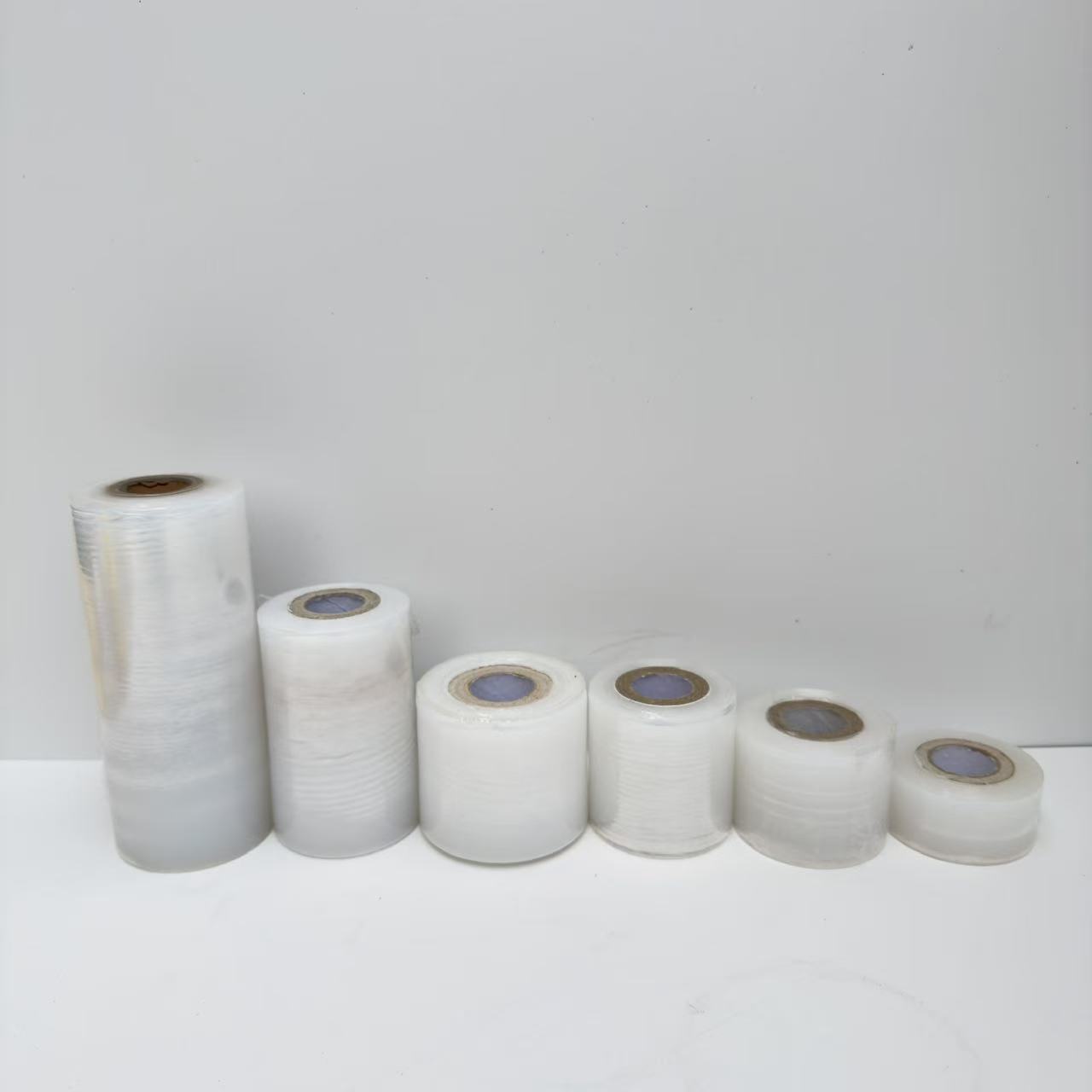
Material yield directly dictates your true packaging economics. Many operations mistakenly buy film based on the cost per roll. This approach ignores the reality of material yield. You must calculate the true cost-per-load to understand your expenses. The standard framework is simple. You divide the roll cost by the total stretched length, then multiply by the film required per load. A higher upfront cost for a premium performance film is easily negated by a 250% or higher pre-stretch yield. You end up wrapping more pallets with a single roll, driving down the actual cost per unit shipped.
Load containment force remains the ultimate metric for shipping stability. Containment force is the actual squeezing pressure the film applies to the load. When you utilize proper pre-stretch techniques, you activate the film's elastic memory. The stretched polymer desperately wants to return to its original state. This causes the film to continuously contract and secure the load during transit. It absorbs vibration and shifting, drastically reducing product damage claims and rejected deliveries. Testing this requires a pull plate and a digital force gauge inserted under the film web at the top, middle, and bottom of the wrapped pallet.
The industry is rapidly shifting toward gauge reduction. Warehouses are moving away from thick, low-stretch films like traditional 80 or 90 gauge rolls. Instead, they are adopting thinner, multi-layered, high-performance films ranging from 35 to 50 gauge. Optimizing your stretch film thickness requires careful evaluation. Thinner films demand highly precise carriage calibration to prevent tearing. However, they offer superior material yield and equivalent containment force when pre-stretched correctly. You get the same load security using half the plastic by weight.
Maximizing material yield directly impacts your facility's sustainability goals. Reducing the amount of plastic wrapped around each pallet directly lowers your Scope 3 emissions. Furthermore, optimizing pallet wrapping efficiency helps organizations comply with emerging plastic packaging taxes. By drastically lowering the total tonnage of virgin plastic consumed annually, you reduce your tax liability and improve your corporate ESG standing.
Film Gauge | Typical Application | Pre-Stretch Potential | Containment Force Profile |
|---|---|---|---|
35 - 45 Gauge | Light, uniform loads (paper products, empty bottles) | 200% - 250% | Moderate. Relies on multiple wraps for stability. |
47 - 60 Gauge | Standard mixed pallets (beverages, boxed goods) | 250% - 300% | High. Excellent memory and contraction. |
65 - 80 Gauge | Heavy, irregular loads (bricks, machinery parts) | 150% - 200% | Very High. Prioritizes puncture resistance over yield. |
The manufacturing process dictates how far a film can stretch before failing. Cast and blown extrusion technologies produce very different results. Cast film is extruded over chilled rollers, resulting in excellent clarity and quiet unwind. Blown film is extruded upward into a bubble and cooled by air, creating a tougher, cloudier film with higher puncture resistance. Modern manufacturers use advanced metallocene additives to bridge this gap. These additives create high elongation pallet wrap capable of sustaining 300% or greater stretch without structural failure. You get the clarity of cast film with the extreme durability required for high-speed automated wrapping.
Microscopic manufacturing defects become catastrophic when pushing films to high stretch levels. Standard films often contain tiny imperfections like gels, un-melted resin particles, or die lines. At 50% stretch, these defects go unnoticed. At 250% stretch, these imperfections become severe weak points. The film will snap instantly inside the carriage, leading to costly downtime and web breaks. You must evaluate films based on standardized ASTM test methods for puncture resistance and tear propagation to ensure they can handle high elongation.
You must match your film capabilities to your machinery. Putting a premium, 300% stretch-capable film on an older machine geared for only 150% stretch wastes your investment. You are paying for performance you cannot extract. Conversely, loading a standard commodity film onto a high-speed, high-stretch carriage causes constant web breaks. The standard film simply cannot survive the mechanical forces applied by the dual-motor carriage. You need a dedicated machine stretch film designed specifically for your equipment's gear ratio.
Mapping specific film characteristics to your operational outcomes ensures you select the right material. Different features solve different warehouse problems.
Film Feature | Operational Outcome |
|---|---|
High Optics / Clarity | Enables automated warehouse barcode scanning without tearing the film. |
One-Sided Cling / High Slip | Prevents adjacent pallets from sticking together and tearing during forklift loading. |
High Puncture Resistance | Secures loads with jagged edges, sharp corners, or irregular shapes without web breaks. |
Advanced Metallocene Blend | Allows for extreme gauge reduction while maintaining high containment force. |
Equipment calibration remains the most common point of failure in wrapping operations. The primary risk involves degraded, worn, or dirty pre-stretch rollers. Over time, tackifiers from the film and warehouse dust build up on the rubber rollers. This causes the film to slip instead of stretching. You might have a 250% gear installed, but slippage means you only achieve 120% actual stretch film elongation. This silently destroys your material yield and inflates your costs. You must mandate regular preventative maintenance. Clean the rollers weekly. Perform routine cut-and-weigh testing to verify the actual stretch levels matching your machine settings.
Secondary stretch failures cause severe load damage. Secondary stretch is the tension applied to the film between the carriage and the pallet itself. If you over-tension the film at this stage, the carriage pulls too hard against the load. This leads to corner tearing on the film and crushes fragile boxes. To mitigate this, establish clear, load-specific tension profiles in the wrapper's programmable logic controller (PLC). Lighter loads require lower secondary tension to prevent crushing, while heavy, stable loads can handle higher tension for tighter security.
Facility managers constantly face the capital expenditure dilemma of retrofitting versus replacing machinery. If your current turntable or rotary arm is structurally sound but your film usage is high, replacing the entire machine is often unnecessary. It is usually more cost-effective to retrofit the existing wrapper with a new, high-performance pre-stretch carriage. This upgrade instantly boosts your stretch capabilities and material yield without the massive capital outlay of a completely new automated system.
Environmental variables and irregular load profiles heavily impact stretch performance. Cold environments, like industrial freezers, make standard LLDPE brittle. The film loses its elasticity and breaks easily under tension. Highly irregular loads, such as mixed A/B/C profiles with sharp protrusions, create uneven stress points. To mitigate these risks, specify cold-formulated resins for freezer applications. For unstable or irregular loads, adjust your machine's roping and banding settings to apply concentrated webs of film around the most vulnerable sections of the pallet.
Implement this baseline maintenance checklist to prevent carriage failures:
Wipe down all rubber rollers with isopropyl alcohol at the end of every shift to remove tackifier buildup.
Inspect the drive belts connecting the primary and secondary rollers for fraying or slack.
Calibrate the dancer bar tension spring monthly to ensure smooth film feed during cornering.
Verify the carriage photo-eye lens is clean to prevent the machine from wrapping above the load.
Quality control and roll-to-roll consistency separate premium manufacturers from commodity suppliers. You must evaluate manufacturers based on their strict gauge tolerance. If a manufacturer claims a 50-gauge thickness but the roll fluctuates between 42 and 58 gauge, your machine will experience constant web breaks. The carriage cannot adjust to these rapid thickness changes. Inconsistent manufacturing leads directly to unpredictable pre-stretch performance and massive machine downtime. Demand tight tolerance specifications from your supplier.
Technical support and on-site auditing capabilities are just as important as the resin itself. Do not settle for a transactional material supplier who simply drops off pallets of film. Prioritize a stretch film manufacturer or distributor who offers comprehensive technical support. They should provide on-site containment force audits, machine calibration services, and regular yield reporting. A strategic partner helps you optimize the entire wrapping system, ensuring your machinery and film work together flawlessly.
Supply chain reliability and scalability ensure your operations never stop. Assess the manufacturer's ability to scale production during peak seasons. Investigate their resin sourcing strategies. A reliable manufacturer maintains consistent resin quality even during global supply chain disruptions. If your supplier constantly changes resin blends to save money, your machine settings will become obsolete, leading to load failures and wasted material.
Initiate a baseline audit of your current wrapping operations to measure the exact ounces of film applied per load.
Measure the actual containment force on your most frequently shipped pallet profiles using a specialized force tool.
Perform a cut-and-weigh test to determine the true, actualized pre-stretch percentage your machines are currently delivering.
Clean all carriage rollers and schedule routine preventative maintenance to eliminate film slippage.
Draft an RFP for new materials only after you have established your baseline metrics and identified your specific equipment capabilities.
A: Pre-stretch is the mechanical elongation of the film that occurs entirely inside the carriage rollers before the film touches the load. Secondary stretch is the tension applied to the film in the open space between the carriage and the pallet as the load rotates.
A: Mark two lines exactly 10 inches apart on the un-stretched roll of film. Run the machine and let the marked section wrap around the pallet. Measure the new distance between those two lines. If the distance is now 30 inches, your machine is achieving 200% pre-stretch.
A: Corner breaks usually result from excessive secondary tension pulling too hard against sharp box edges. Other common causes include nicked pre-stretch rollers, using the wrong film gauge for a heavy load profile, or pushing the film past its maximum elongation yield point.
A: No. Modern, multi-layer nano-stretch films achieve equal or higher containment forces at much lower gauges. Advanced metallocene resin blends and proper mechanical pre-stretching create a highly durable web that secures loads better than older, thicker commodity films.
A: No. Manual wrapping by human operators cannot generate the consistent, sustained mechanical force required to reach the yield point of high-elongation films. You must use powered machine carriages to activate the film's memory and achieve any return on investment.
A: Yes. Retrofitting a new, powered pre-stretch carriage onto an older turntable or rotary arm machine is a highly cost-effective strategy. It allows you to boost pallet wrapping efficiency and material yield without purchasing an entirely new automated wrapping system.
A: Ideal containment force varies by load weight and stability. However, a general baseline for standard, stable loads is between 12 to 15 pounds of force at the top, middle, and bottom of the pallet. Unstable or heavy loads may require 20 pounds or more.


