
Views: 0 Author: Site Editor Publish Time: 2026-05-26 Origin: Site


Inefficient pallet wrapping causes major operational leaks across the supply chain. Damaged goods during transit drain profits quickly. Excessive material waste silently destroys your bottom line. Procurement and logistics managers face tough choices constantly. Optimizing your wrap setup is not just about operational speed. You must maximize load containment for every shipment. You also need to aggressively minimize the cost per pallet. Ignoring these physical factors leads to massive hidden expenses. Upgrading to the right materials is a true game-changer. Standardizing your daily application methods can reduce material usage by up to 30%. You will simultaneously see improved barcode scannability and enhanced visual QA. We break down the top 10 practical tips below. You will learn exactly how to select, apply, and evaluate packaging films. These steps ensure compliance, higher cost-efficiency, and ultimate load security.
Match Gauge to Load: Thicker isn't always better; modern high-performance resins allow for lighter, stronger films.
Track Cost Per Pallet, Not Per Roll: True cost efficiency is measured by the weight of film required to secure a single load, not the invoice price of the roll.
Standardize SOPs: Consistent overlap and proper pallet-locking techniques are non-negotiable for preventing transit damage.
Sustainability is Measurable: Transitioning to modern eco-conscious films reduces plastic taxes and supports corporate ESG goals without sacrificing load integrity.
Your packaging strategy begins long before a pallet reaches the loading dock. Selecting the correct materials sets the foundation for operational success. You must look beyond standard purchasing habits.
Many companies assume heavier loads require traditional 80-gauge wrap. This habit leads to massive material overspending. You should evaluate the specific load profile instead. Modern advancements in multi-layer extrusion change everything. A thinner, high-performance option often outperforms legacy alternatives. It provides superior puncture resistance using less plastic.
Best Practices: Audit your heaviest loads quarterly. Test thinner gauges under real warehouse conditions.
Common Mistakes: Buying thick materials purely out of habit. Operators often over-wrap thick layers, severely increasing your per-pallet expenses.
Sustainability matters more than ever in global logistics. Downgauging is the most immediate way to reduce plastic waste. This process uses thinner but structurally stronger resin layers. We highly recommend you prioritize a Strong Eco-Friendly Lightweight Packing Film. Look for products maintaining high stretch limits exceeding 250%. They utilize far less petroleum-based material per square foot. This logic drives both ecological benefits and budget savings. You meet corporate ESG goals faster.
Implementation reality dictates a firm choice between cast and blown processes. Blown options offer very high tear resistance. However, they are notoriously cloudy and noisy during application. Operations require rapid visual inspection daily. A cast Clear Stretch Film provides critical business value. It allows automated barcode scanning and fast RFID reading. Workers inspect pallets rapidly without unwrapping them.
Feature | Cast Film | Blown Film |
|---|---|---|
Clarity | Ultra-clear, excellent for scanners | Cloudy, hazy appearance |
Noise Level | Silent unwind | Loud, disruptive unwind |
Tear Resistance | Standard to high | Extremely high |
Best Use Case | High-volume warehouses, automated lines | Cold storage, sharp or abrasive loads |
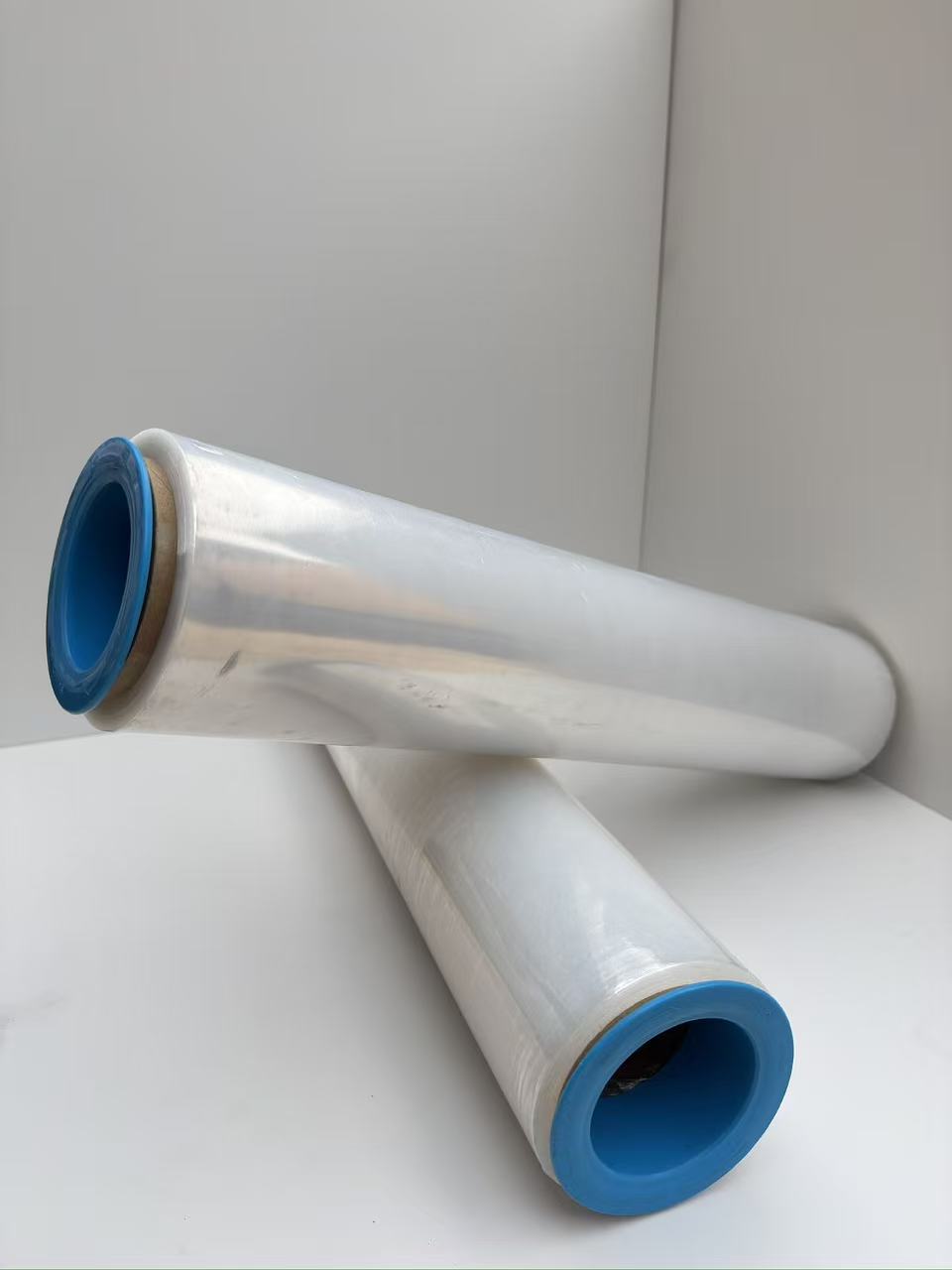
Even the highest-quality materials fail if applied incorrectly. Proper application techniques ensure maximum containment. Your warehouse team must follow standardized operating procedures rigorously.
Implement a mandatory 50% overlap during application. This specific SOP guideline ensures optimal load containment. Less overlap severely compromises stability. It allows moisture ingress during outdoor transit. More overlap wastes material unnecessarily. It also increases your overall wrapping time. Train your forklift operators and floor staff continuously.
Best Practices: Use colored markers on manual wrap dispensers. These guide operators to hit the 50% mark consistently.
Implementation failures happen frequently during harsh transit conditions. Wrapping only the boxes is a huge operational mistake. The entire load can slide off the wooden pallet base. Hard braking causes extreme shifting forces. Ensure operators apply at least 3-4 revolutions securely. They must tightly bind the bottom tier of cartons directly to the pallet.
Common Mistakes: Stopping the wrap two inches above the wood. This creates a floating load ready to collapse.
Cost efficiency demands careful equipment calibration. Automatic wrappers require precise carriage settings. Running a 250% capable product at only 150% stretch wastes money entirely. It represents a direct loss of your expected return on investment. Perform regular cut-and-weigh tests. Verify the machine delivers the exact expected yield.
Step 1: Mark a 10-inch segment on the un-stretched roll.
Step 2: Run the machine and apply the marked section to a pallet.
Step 3: Measure the distance between the two marks on the pallet.
Step 4: Calculate the percentage increase. If it measures 30 inches, you achieved 200% pre-stretch.
Step 5: Adjust carriage gears or settings if the ratio falls short.
Warehouse conditions dictate how long your packaged goods survive. Optimized storage strategies prevent slow material degradation. They also keep automated equipment running smoothly.
Long-term warehousing brings unique material challenges. Wraps must resist degradation over many months. They must remain highly transparent for regular inventory audits. You should source a reliable Eco-Friendly Transparent Stretch Wrap Film for Sustainable Storage. Sourcing recyclable or bio-additive options ensures local compliance. You meet regional packaging regulations easily. Labels remain perfectly visible to auditors. The material resists yellowing under warehouse lighting.
Risk mitigation requires stopping loose film tails immediately. These loose ends catch on conveyor belts easily. They tangle in automated guided vehicles (AGVs) and forklift wheels. A single jam stops production for hours. Train your manual operators strictly. They must tear cleanly and press the tail flat against the load. Ensure machine wipe-down brushes function properly. Replace worn brushes monthly.
Categorize your loads using clear expertise dimensions. Every shipment behaves differently under tension. Understanding profiles prevents costly punctures.
"A" Loads: These are perfectly square without gaps. They require standard tension and standard multi-layer films.
"B" Loads: These feature irregular shapes. The boxes might not align perfectly. They require roping techniques to secure the hollow gaps.
"C" Loads: These contain extremely sharp edges or heavy protrusions. They require protective corner boards. You must apply careful tension to prevent sudden puncture.
Data drives all smart logistics decisions. You cannot rely on marketing brochures alone. Testing validates your investments.
Shortlisting logic requires thorough on-site testing. Do not switch suppliers based on a single sample roll. Run a controlled trial on your heaviest pallets. Test irregular B and C loads carefully. Conduct a formal "tilt test" or transit simulation. Measure success accurately through physical metrics.
Measure the exact ounces used per pallet. Compare the new material against the old baseline. A roll costing 10% more but wrapping 20% more pallets wins. It remains the superior bottom-line choice. The chart below demonstrates how to evaluate these metrics properly.
Comparative Evaluation Chart: Pallet Cost Measurement | ||
Metric | Current Legacy Wrap | New High-Performance Wrap |
|---|---|---|
Roll Price | $15.00 | $18.00 (20% higher) |
Pallets Wrapped Per Roll | 30 pallets | 45 pallets (50% higher yield) |
Film Weight Per Load | 8.0 ounces | 5.3 ounces |
Cost Per Wrapped Pallet | $0.50 | $0.40 (20% savings) |
Transit Damage Rate | 2.1% | 0.5% |
Best Practices: Always capture the film weight before and after the test. A precision warehouse scale provides the undeniable truth.
Effective packaging requires abandoning old operational habits immediately. You must move away from "we've always done it this way". Treat your wraps as measurable engineering assets. The right strategies protect your products seamlessly. They slash unnecessary operational costs simultaneously.
Take Action Today:
Audit your current pallet-wrapping metrics, including actual cost per load.
Evaluate transit damage rates over the last two quarters.
Request updated technical specification sheets from your packaging partner.
Identify immediate areas for intelligent downgauging.
Enforce strict daily SOP compliance on the warehouse floor.
A: Tearing is usually caused by applying too much tension too quickly during hand wrapping. Nicks on the roll edges from dropping also cause failures. Finally, using a gauge too thin for "C-profile" loads featuring sharp corners will easily puncture the layers. Always match the thickness and tension to the specific load shape.
A: First, cut the film off a fully wrapped pallet. Next, weigh the collected material accurately using a precision scale. Finally, multiply that specific weight by the cost per pound of your roll. This method guarantees an accurate cost assessment per load. It completely removes the misleading metric of cost-per-roll.
A: Yes, most cast and blown transparent films are made from LLDPE (Linear Low-Density Polyethylene). They fall under recycling code #4. Facilities will accept them provided they are entirely clean. They must also remain free of excessive adhesive labels or dirt contamination. Always check with your local commercial recycling partner first.


